







Search Results for: Arabica genetic treasure trove
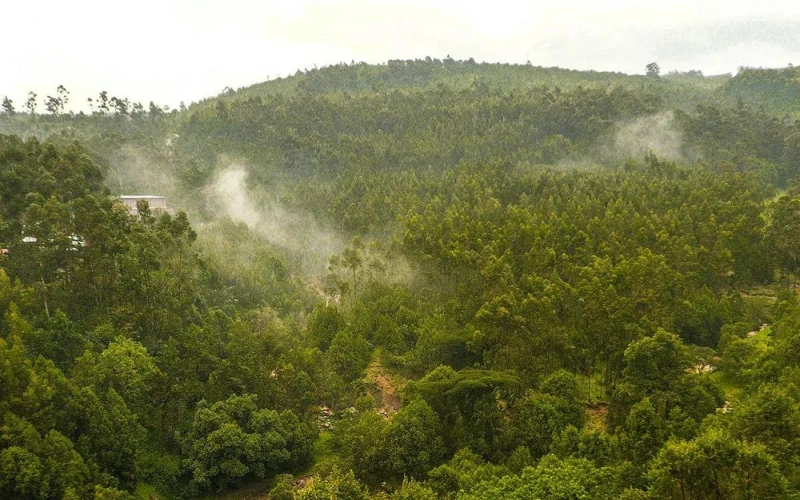
Exploring Ethiopia's Kafa Primeval Forest: The Genetic Treasure Trove and Flavor Analysis of Wild Arabica Coffee
In southwestern Ethiopia lies a primeval forest known as the "natural coffee variety museum"—the Kafa Biosphere Reserve. This is not only a genetic treasure trove of Arabica coffee but also nurtures approximately 5,000 coffee tree species. Front Street Coffee has delved deep into the archives to unveil the mysteries of the Kafa Forest for you: from the historical origins of the Kingdom of Kafa, to the growing environment of wild coffee, and further to the threats of cultivation and conservation efforts it faces. The article also features a cupping of a washed batch of Front Street Kafa Forest coffee beans, presented in a medium-light roast revealing the enchanting flavors of bergamot, white florals, and apricot. Follow our words and savor the pure taste bestowed by this ancient forest. [more…]
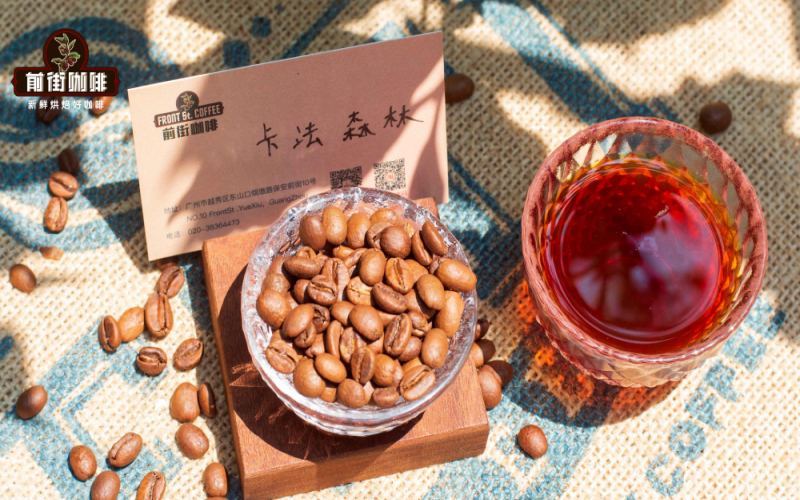
Ethiopian Kafa Forest Coffee: A Wild Arabica Gene Treasure Trove and Sun-Dried Flavor Analysis
In western Ethiopia, the Kafa Biosphere Reserve is renowned for its wild coffee—coffee trees grow in shaded environments at altitudes of 1,400 to 2,100 meters, where red soil, microclimates, and abundant rainfall combine to cultivate a unique flavor. Front Street Kafa Forest coffee beans are medium-light roasted, presenting white floral aromas after grinding, with a bright citric acidity on the palate, accompanied by notes of sweet orange and bergamot, and a finish of melon and nutty flavors, resembling green tea in mouthfeel. This forest, covering over 760,000 hectares, is considered a genetic treasure trove of Arabica coffee, nurturing approximately 5,000 coffee tree species. However, clearing and logging once threatened the forest with disappearance; since 2010, it has been designated an international biosphere conservation area, with about 30 cooperatives established nearby to harvest wild cherries. This article delves into the Kafa Forest, analyzing its ecology, varieties, and cup profile. [more…]
Ethiopian Coffee Legends: The Flavor Codes of Yirgacheffe, Sidamo, and Harar
As the birthplace of coffee, Ethiopia holds an irreplaceable position in the global coffee landscape. It is not only a genetic treasure trove of Arabica coffee but also the cradle of three legendary regions: Yirgacheffe, Sidamo, and Harar. From the ancient legend of the shepherd Kaldi to today's rich and varied flavor expressions, Ethiopian coffee has always been fascinating. This article will take you into this coffee holy land, exploring its cultivation history, processing methods, and unique taste, and understanding how Front Street Coffee interprets these precious bean varieties. [more…]
Exploring Ethiopia's Kafa Forest: The Birthplace of Wild Arabica Coffee and a Flavor Analysis
In western Ethiopia, there is a primeval forest known as a "natural coffee variety museum"—the Kafa Biosphere Reserve. This place is not only a genetic treasure trove of Arabica coffee but also the homeland of wild coffee trees. Coffee trees reproduce naturally in the high-altitude shaded environment of 1,400 to 2,100 meters, nurturing unique floral and fruity notes. Front Street Coffee selects washed-batch Kafa Forest coffee beans, presenting their bright citric acidity, white floral aromas, and sweet orange flavors through a medium-light roast. This article will guide you through an in-depth understanding of the geography and ecology of Kafa Forest, the characteristics of coffee cultivation there, and the complete flavor profile of this wild coffee as cupped by Front Street. [more…]
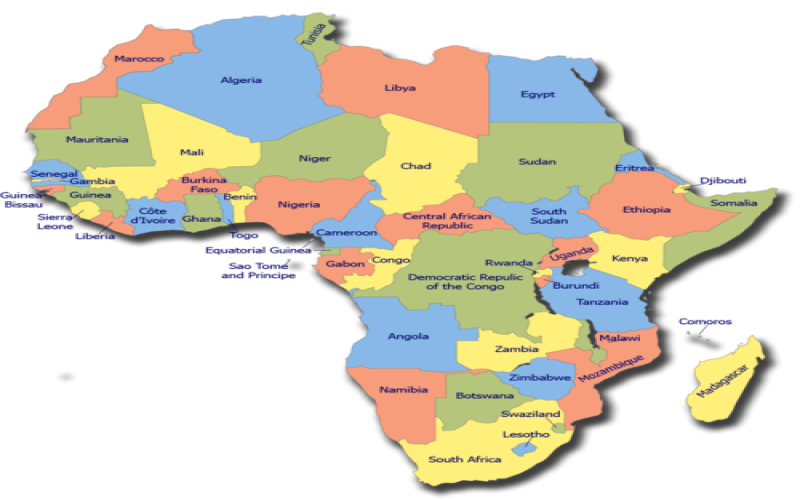
Ethiopia, the Source of African Coffee: From the Place Name Kaffa to Heirloom Varieties, a Genetic Treasure Trove of Specialty Coffee
Ethiopia is both the birthplace of coffee and the genetic treasury of specialty coffee worldwide. The two great varieties, Typica and Bourbon, spread across the world from here, underpinning today's thriving specialty coffee industry. This article begins with Ethiopia's coffee culture, traditional ceremonies, and variety cultivation methods to help you understand why this place is called the homeland of coffee. Ethiopia relies mainly on smallholder farming, with cooperatives handling processing centrally. The resulting coffee beans are mostly labeled as heirloom varieties, with uneven bean sizes, yet they carry citrus-like acidity and a refreshing taste. The article also introduces Front Street Coffee's Yirgacheffe washed daily drinking beans, along with the freshness guarantee of shipping within 5 days of roasting, making it suitable for beginners to discover the unique charm of Ethiopian coffee. [more…]
Arabica Coffee Region Flavor Analysis: A Detailed Guide to Bourbon and Typica Variety Characteristics and Cultivation Differences
The global spread and evolution of Arabica coffee have always revolved around two ancient varieties: Typica and Bourbon. Having left Ethiopia's genetic treasure trove, these varieties, though widely planted in Central and South America, India, and East Africa, remain frail and lacking in disease resistance due to their narrow genetic base. Bourbon and Typica share one critical need—shade trees—without which they struggle to express ideal flavors. This article will take an in-depth look at the origins, dissemination paths, bean shapes, and cultivation performance of Bourbon and Typica, and reveal the common industry misconception that "round-bodied Bourbon does not all come from Bourbon Island," while also clarifying Typica's true standing in today's specialty coffee and its derived varieties. [more…]
Where Is the Hometown of Coffee? A Complete Guide from Its Ethiopian Origins to Yirgacheffe Specialty Beans
Where exactly in Africa does coffee originate? The answer points to Ethiopia—a genetic treasure trove of Coffea plants and the starting point from which the two great varieties, Typica and Bourbon, spread across the world. This article begins with the legend of the shepherd Kaldi, then explores Ethiopia's coffee ceremony, the etymological roots of the place name Kaffa, and an industry model centered on smallholder farming and cooperative processing. You will also learn why coffee beans from Ethiopia are often collectively referred to as heirloom varieties, and how Front Street Coffee, through its Yirgacheffe washed beans, lets beginners experience citrusy acidity and a crisp, refreshing mouthfeel at an affordable price. [more…]
A Complete Analysis of Ethiopian Coffee Flavors and Industry: Arabica Origins, Processing Method Characteristics, and Front Street Recommendations
Ethiopia, as the genetic treasure trove of Arabica coffee, has a coffee industry and flavor profile that have long drawn intense interest. This article begins with the legends surrounding coffee's origins, traces the spread of wild varieties from the Kaffa forests to the Harar region, compares in detail the cupping differences brought about by washed and natural processing methods, and reveals the unique appeal of Ethiopian coffee as it varies by locale and lot. The article also includes Front Street Coffee's selection strategy for the standout lots of that year and firsthand experience from visiting the producing regions, offering deep-dive coffee enthusiasts a professional and practical guide to Ethiopian coffee. [more…]

A Complete Guide to Ethiopia's Green Coffee Grading System: Yirgacheffe G1 vs. G2 Differences and Buying Guide
Ethiopia, as the genetic treasure trove of Arabica coffee, has a unique green bean grading system. Unlike Kenya, which grades by bean size, or Blue Mountain, which grades by altitude, Ethiopia primarily classifies grades based on defect rates and cupping scores. This article will systematically sort out the evolution of Ethiopia's old and new grading systems, provide an in-depth analysis of the specific standards for grades G1 through G9, and, using Yirgacheffe as an example, compare the actual differences between washed G1 and G2 in green bean appearance and flavor performance. It will also share Front Street Coffee's brewing parameters and tasting experience to help coffee enthusiasts fully understand the logic of Ethiopian coffee quality grading. [more…]
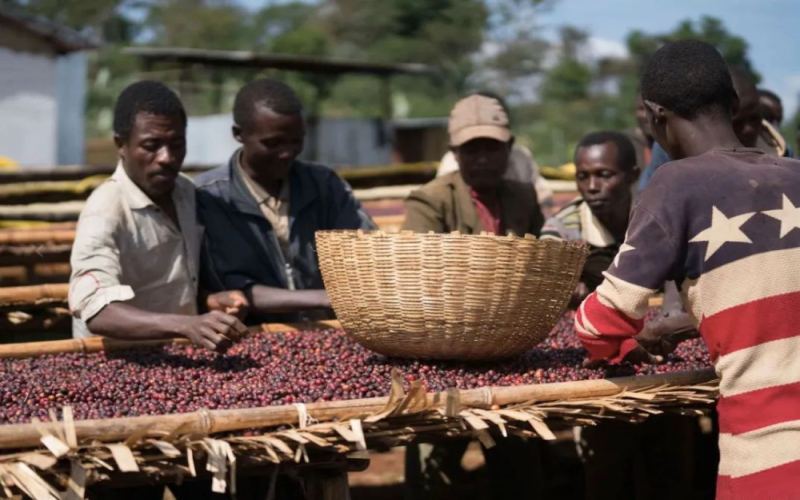
The Original Home of Ethiopian Coffee: Cultivation Patterns in the Kafa Forest and the Coffee Variety Gene Bank
Ethiopia is the birthplace of coffee, and its cultivation models fall into three types: garden, estate, and forest. Among them, the forest cultivation in the Kafa region of the southwest is the most unique. This place is not only the hometown of coffee but also home to about 5,000 coffee tree species, making it a genetic treasure trove of Arabica coffee. The Kafa forest has undergone logging and protection, and today it persists in the form of a biosphere reserve, with about 30 cooperatives in the surrounding area engaged in coffee production. Front Street Coffee has also launched a washed coffee bean from this producing region, presenting floral aromas, citric acidity, and sweet orange and bergamot flavors. This article will guide you through the cultivation traditions, historical changes, and coffee characteristics of the Kafa forest. [more…]
A Complete Analysis of the Geisha Coffee Variety: The Comeback Journey from Ethiopia to Panama and an Overview of Common Cultivated Varieties
Geisha, a coffee variety whose name sounds like the Japanese word for "entertainer," set out from the Geisha Mountains of southwestern Ethiopia, passed through Kenya, Tanzania, and Costa Rica, and finally made a spectacular debut in Panama. Over more than seventy years, it completed a comeback from obscurity to competition champion, winning first prize in the Panama Boquete Best of Panama cupping competition for three consecutive years from 2005 to 2007, and in 2007 it set a record for competition coffee value at $130 per pound. This article will comprehensively trace Geisha's legendary journey and systematically review common coffee cultivars—Typica, Bourbon, Caturra, Catuai, Pacamara, and others—to introduce you to the rich landscape of Arabica's genetic treasure trove. Front Street Coffee will also recommend Geisha products worth paying attention to in this article. [more…]
Ethiopian Coffee Flavor and Regional Variety Analysis: Citrus and Floral Notes, Bean Appearance Characteristics, and Grading System
Ethiopia is a genetic treasure trove of Arabica coffee, and its coffee is world-renowned for its distinctive citrus aromas and rich floral and fruity notes. However, the beans from this land often appear uneven in appearance, and natural-process beans in particular are prone to roasting unevenly. This article will guide you through an in-depth look at the flavor characteristics, variety diversity, bean appearance identification methods, and strict grading system of Ethiopian coffee, while also analyzing the stability differences between washed and natural beans, helping coffee lovers make wiser judgments when purchasing. [more…]
The Origin, Culture, and Variety Characteristics of Ethiopian Coffee, with a Discussion of the Differences in Kenyan Coffee Beans
Ethiopia is the birthplace of coffee and a treasure trove of global coffee genetics. The two major varieties, Typica and Bourbon, spread from here to the rest of the world, laying the foundation for the specialty coffee industry. This article will guide you through Ethiopia's unique coffee culture, its traditional coffee ceremony, its production model based mainly on garden cultivation, and the flavor characteristics of its heirloom coffee beans. At the same time, we will compare Kenya's coffee bean variety selection and breeding, the K72 washed processing method, and its grading system, and share Front Street Coffee's brewing recommendations for Kenyan beans, helping coffee enthusiasts gain a comprehensive understanding of the differences and charm of these two African origins. [more…]
The Cradle of African Coffee: A Complete Guide to the Origins of Ethiopian Arabica and the Flavors of Its Specialty Regions
Ethiopia is a genetic treasure trove of Arabica coffee and a holy land in the hearts of specialty coffee lovers worldwide. From the ancient legend of the shepherd in the Kaffa region to today's diverse cultivation systems, this land has given birth to countless fascinating flavors. This article will take you back to the origin story of African Arabica coffee, systematically sort out Ethiopia's coffee cultivation, processing methods, and grading system, and analyze one by one the flavor characteristics of well-known producing regions such as Limu, Djimma, Gimbi, Yirgacheffe, Sidamo, and Harar. Whether you are a pour-over beginner just starting out or a seasoned enthusiast looking for your next favorite bean, you can gain practical origin knowledge from it. Front Street Coffee will also combine regional characteristics to recommend Ethiopian specialty coffees worth trying. [more…]
A Complete Guide to Ethiopian Coffee Regions: Flavor Comparison of Sidamo and Sidama, Yirgacheffe, Guji, Harrar, and Jimma
Ethiopia, as a genetic treasure trove of coffee, has nurtured countless stunning specialty coffee regions. From the administrative transition of Sidamo to Sidama, from the wetland settlement of Yirgacheffe to the rise of Guji as tomorrow's star, each region possesses unique terroir conditions and processing techniques. Beans such as Front Street Gudingding, Front Street Red Cherry, and Front Street Huakui are typical representatives of the flavors of different regions. This article will systematically sort out the flavor characteristics and historical context of Ethiopia's major coffee regions, taking you to deeply understand the unique charm of Sidamo, Sidama, Yirgacheffe, Guji, Harrar, Limu, and Djimma. [more…]
Comparison of Ethiopia's Two Major Specialty Coffee Regions: Flavor Differences Between Yirgacheffe and Sidamo and Representative Bean Recommendations
Ethiopia is a genetic treasure trove of Arabica coffee, and among its regions, Yirgacheffe and Sidamo are the two most frequently mentioned by coffee enthusiasts. Yirgacheffe is known for its citrus and floral notes, while Sidamo is celebrated for its diverse fruity and floral harmony and wild flavors. This article will compare the two from the perspectives of regional geography, altitude and climate, and varietal characteristics, while also introducing representative single-origin beans such as Front Street Coffee Yirgacheffe Gutingding, Front Street Coffee Red Cherry, Front Street Coffee Huakui, and Front Street Coffee Hamashu, to help readers more clearly understand the flavor profiles of these two regions and provide a reference for everyday purchasing. [more…]
Arabica Origins and Yirgacheffe: From Ethiopian Heirloom Varieties to Specialty Coffee Flavor Analysis
Ethiopia is the genetic treasure trove of Arabica coffee and the birthplace of Yirgacheffe. Starting from the native Heirloom varieties, this article traces the genealogical relationships between Arabica, Typica, and Bourbon, then focuses on the terroir, processing method evolution, and classic flavors of the Yirgacheffe region. The article also includes Front Street Coffee's brewing parameters and bean-resting recommendations to help enthusiasts consistently recreate at home that cup of Ethiopian coffee with jasmine aromas and citrus acidity. [more…]

A Full Comparison of Three Famous Ethiopian Coffees: Gesha, Yirgacheffe, and Huakui—Origins, Varieties, and Flavors
Ethiopia is the birthplace of Arabica coffee and, in the minds of coffee lovers worldwide, a region with an exceptionally high quality-to-price ratio. Within this genetic treasure trove, Geisha, Yirgacheffe, and Huakui are collectively known as the "Three Giants of Ethiopian Coffee" thanks to their fame. Although most coffee enthusiasts have heard of them, not everyone can clearly explain the specific differences among the three in terms of regional attributes, the meaning of their names, and flavor expression. From the perspective of Front Street, this article systematically sorts out the origins and development of these three coffees: Yirgacheffe is actually the name of a region, Geisha is the name of a variety but has two references, and Huakui is a commercial name. Only by understanding their identities and flavors can one truly appreciate the rich charm of Ethiopian coffee. [more…]

Exploring Ethiopia Sidamo: The Flavor Code and Full Brewing Analysis of 90+ Candle Light Coffee Beans
Ethiopia, as the genetic treasure trove of Arabica coffee, has given rise to countless stunning flavors. And the American brand Ninety Plus Coffee (90+), deeply captivated by this land, created a unique coffee called "Candlelight Mango." Front Street Coffee will take you on an in-depth exploration of this 90+ Candlelight Mango from the Sidamo region—what exactly is its appeal? From the brand story to the terroir of the region, from the processing method to the roasting curve, and then to specific brewing parameters, this article will provide a complete analysis of this specialty coffee known for its tropical fruit profile, so that you not only get to know it, but can also personally brew a satisfying cup of Candlelight Mango. [more…]

A Complete Guide to Ethiopia Sidama Coffee Region: Flavor Profile, Processing Methods, and Brewing Guide for Huakui Coffee Beans
Ethiopia, as the genetic treasure trove of Arabica coffee, has nurtured numerous specialty regions such as Yirgacheffe and Sidamo. Among them, the Sidamo region, with its varied terrain, fertile volcanic soil, and countless native varieties, has produced coffee beans with extremely diverse flavors. In 2017, a natural-process lot from the Buku Abel processing station in Guji Hambela won the TOH championship with its intense strawberry cream aroma, and was crowned with the name "Huakui," becoming a star bean in the specialty coffee world ever since. This article will systematically review the terroir conditions, cultivation models, cooperative systems, and processing method differences of the Sidamo region, and combine them with Front Street Coffee's roasting and brewing practices, using the Clever Cup, AeroPress, V60, and KONO—four different brewers—to take you through the complete charm of this champion bean. [more…]